



hot strip mill
The hot strip mill process represents one of the most sophisticated metal forming operations in modern metallurgy, transforming steel slabs into precisely dimensioned coils through carefully controlled thermal-mechanical treatment. Hot Rolling Mill Equipment Architecture Contemporary hot rolling mill equipment embodies decades of mechanical engineering refinement, combining brute force with micron-level precision. The roughing train typically features one or two high-horsepower reversing mills with large diameter work rolls capable of withstanding extreme rolling forces up to 45,000 kN. These massive structures incorporate hydraulic screwdown systems for rapid gap adjustment between passes, while advanced roll bending systems counteract deflection across the roll barrel length. The finishing mill represents even greater technological sophistication, with tandem four-high stands employing smaller diameter work rolls backed by larger backup rolls for improved rigidity. State-of-the-art hot rolling machine s integrate hydraulic automatic gauge control (HAGC) systems that maintain thickness tolerances within ±25 microns through continuous roll gap adjustment at response speeds exceeding 50 Hz. Between stands, loopers maintain controlled interstand tension while allowing for thermal expansion, with the entire finishing train synchronized through digital automation systems processing thousands of data points per second. Downstream, the laminar cooling section precisely controls cooling rates through hundreds of individually controllable water headers, determining the final steel microstructure and mechanical properties before coiling. Process Control Systems in Modern Hot Rolling Press Operations The operational excellence of a hot strip mill process relies fundamentally on its integrated control architecture, where multiple subsystems work in concert to maintain process stability. Advanced mathematical models calculate optimal rolling schedules considering slab chemistry, target dimensions, and equipment capabilities, automatically adjusting mill setup parameters for each coil. Temperature management systems monitor thermal profiles using pyrometers and thermal cameras, dynamically modifying rolling speeds and cooling patterns to maintain ideal deformation conditions. Shape control has evolved remarkably through the implementation of work roll shifting systems in the hot rolling press , which continuously vary the position of rolls to prevent periodic wear patterns and maintain consistent strip flatness. Modern mills employ multivariable predictive control algorithms that anticipate disturbances and preemptively adjust process parameters, compensating for variables like roll thermal expansion and mill stretch during acceleration. These sophisticated control strategies enable contemporary hot rolling mill equipment to produce increasingly demanding steel grades while maintaining tight geometrical tolerances and superior surface quality. Future Directions in Hot Rolling Mill Technology The next generation of hot rolling mill equipment is poised to incorporate groundbreaking innovations that will further transform steel production. Hydrogen-based slab reheating technology promises to dramatically reduce the carbon footprint of hot rolling operations while maintaining precise temperature control. Advanced sensor networks incorporating fiber-optic temperature monitoring and embedded roll force sensors will provide unprecedented process visibility, enabling even more precise control of mechanical properties. The development of self-learning control systems that adapt to changing roll wear patterns and equipment conditions will further enhance process stability and product consistency. Emerging technologies like electromagnetic edge guiding may eventually replace traditional mechanical side guides, reducing edge defects and improving yield. As steel products continue evolving toward higher strength and more specialized applications, hot strip mill manufacturers are responding with equipment capable of precisely controlling increasingly complex thermomechanical processing paths, ensuring the hot rolling process remains the foundation of flat steel production well into the future.

We have successfully executed over 500
projects around the world,
many first-of-their-kind
research projects and products in China, including
We have successfully executed over 500
projects around the world,
many first-of-their-kind
research projects and products in China, including
-
2004
The 1st hydraulic AGC system for hot rolling of ribbon steel
-
2006
The 1st AFC system used for 1450mm skin pass mill
-
2009
The 1st 5-stand tandem line with 2-stand POR & Uncoiler for 650mm ribbon steel
-
2012
The 1st reversing mill for 1380mm strip
-
2016
The 1st soft-rolling system used in skin pass mill
-
2019
The 1st fully automated medium-width tandem cold rolling mill
-
2021
The 1st 5000KN Twin-stand double skin pass mill
-
2022
The 1st coupled pickling line & tandem cold mill with two modes - big roller & small roller
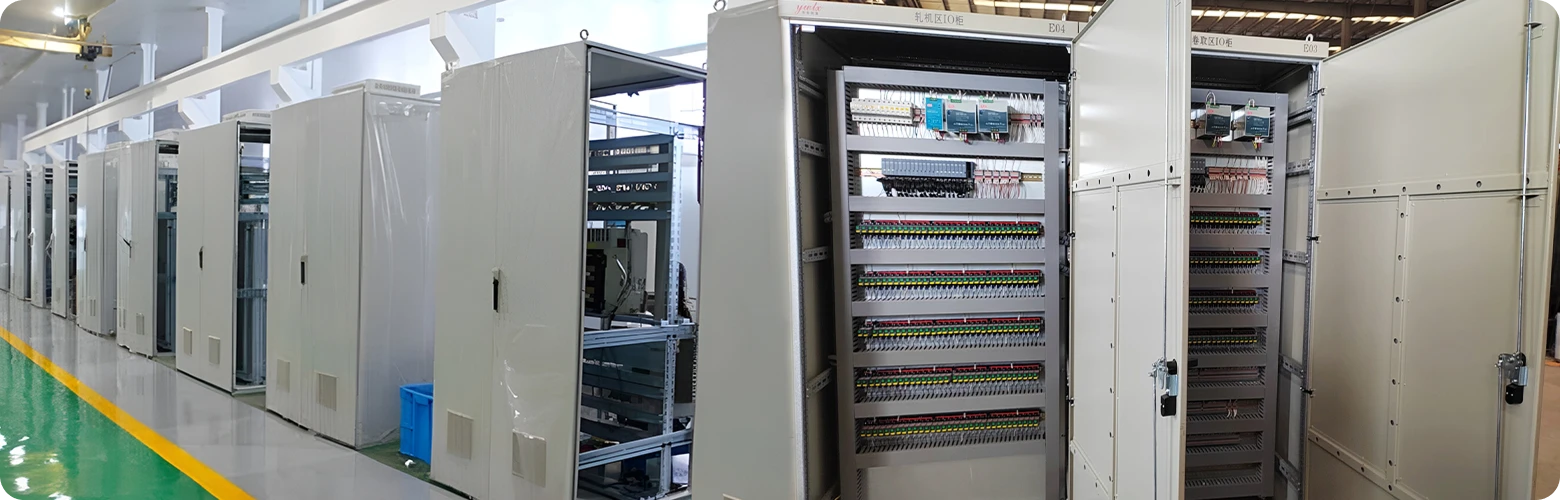
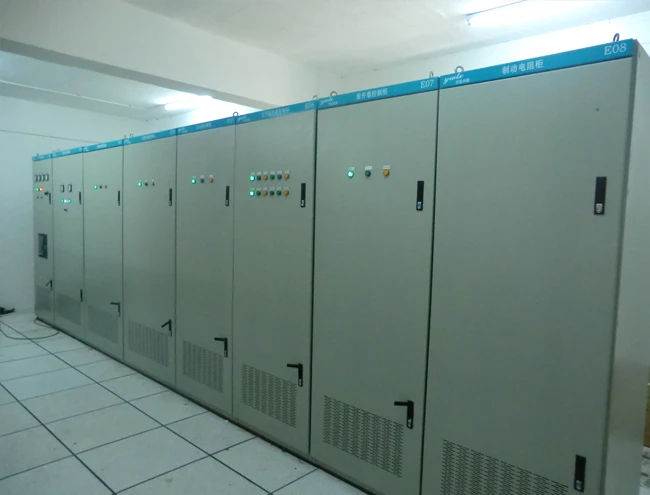
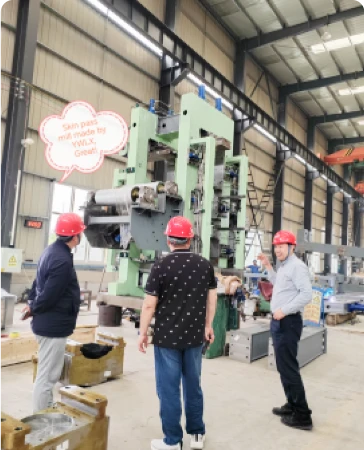

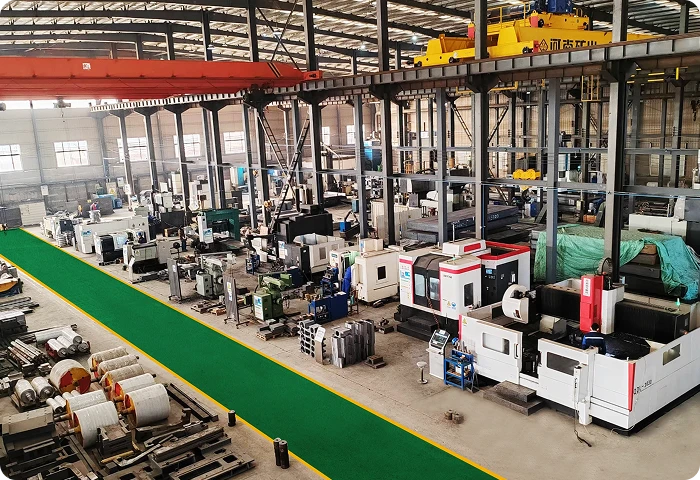
Yang Wang Li Xin operates a state-of-the-art facility over 66,000 square meters,and our manufacturing facility is fully equipped with high-tech machinery and high-capacity cranes. This enables us to handle large work pieces measuring 4.5m in width, 10m in length, and 1.5m in height, guaranteeing our capacity to produce 1800mm skin-pass mills and 1450mm rolling mills. The individual piece can weigh up to 100 tons.

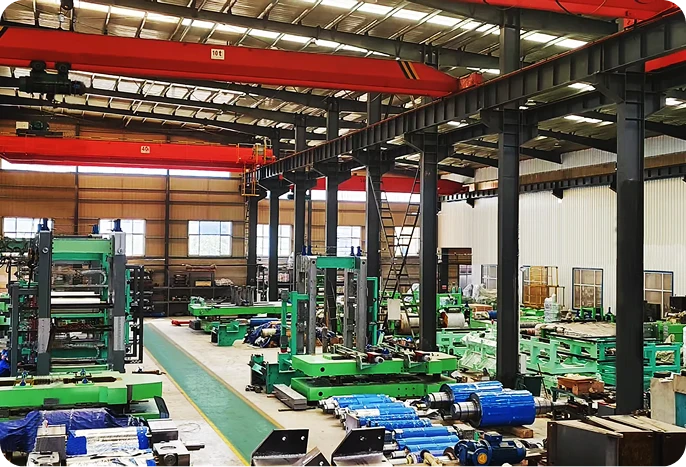

Quality is fundamental to the enterprise survival. We have established a comprehensive and meticulous quality management system and have successfully obtained ISO14000 certification. Starting from the design source, it supervises the entire production cycle, including design, procurement, processing, assembly, in-factory testing, installation, and online commissioning. The workshop is equipped with measuring tools like vernier calipers, spectrometers, hardness testers, and ultrasonic flaw detectors. They are used to check materials and control tolerances to ensure the final equipment meets or exceeds requirements. All products have a unique code, This enables the easy identification and traceability of the equipment components and ensures full control of quality.


-
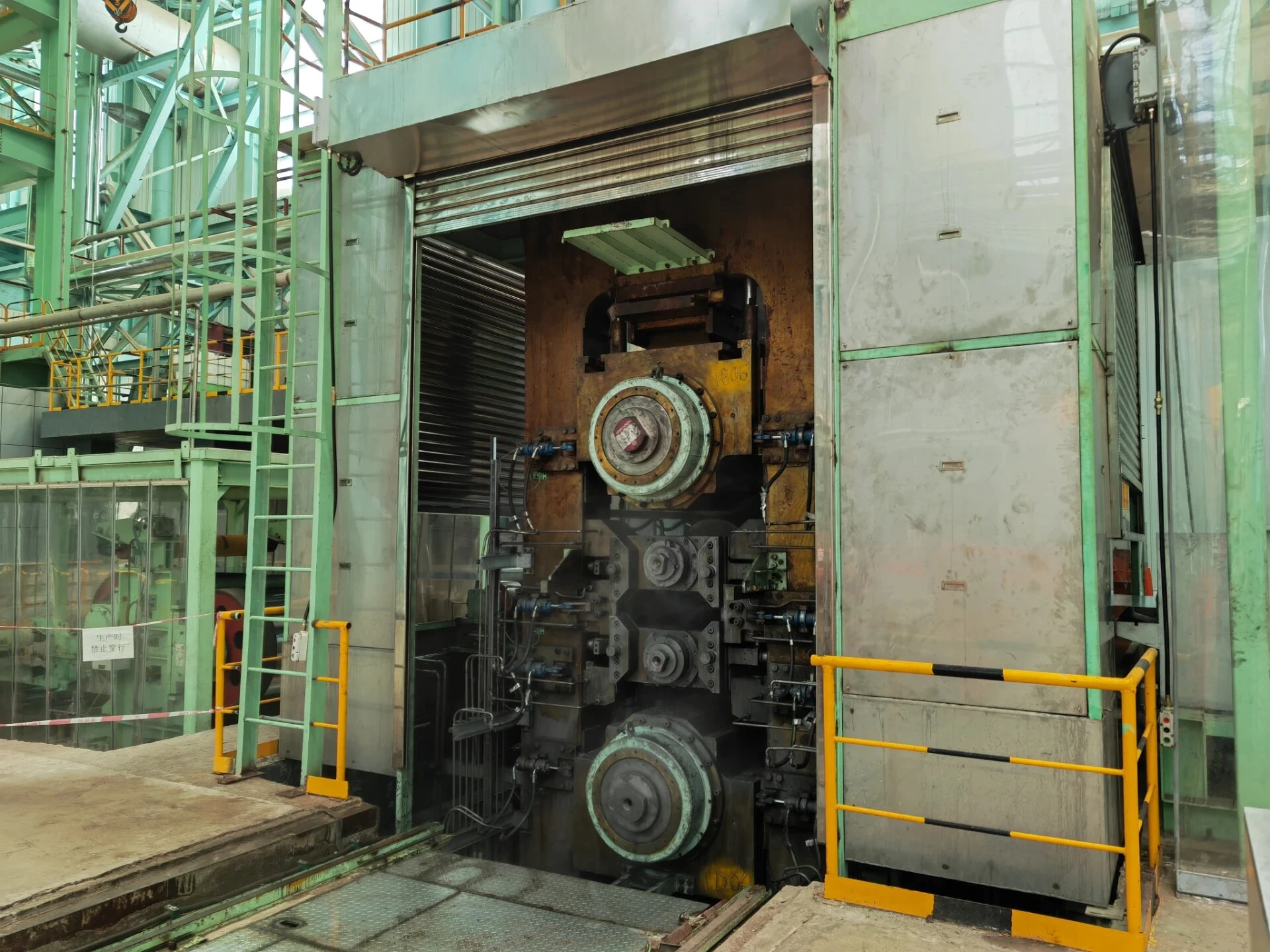 прокатный стан на сталелитейном заводеIn the dynamic landscape of the steel industry, a rolling mill at a steel manufacturing plant stands as a pillar of precision engineering and expert craftsmanship. This pivotal equipment transforms molten steel into essential products used across numerous industries, reflecting not only the plant's capability but also its operational prowess. Rolling mills are the heart and soul of steel productio
 -
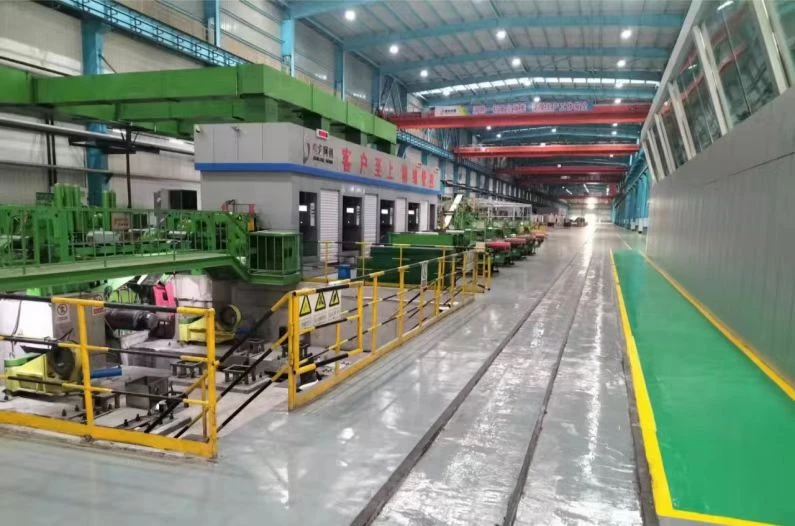 rail rolling millIn the realm of railway infrastructure, rail rolling mills play a crucial role in producing the high-quality steel rails that form the backbone of railway systems worldwide. These facilities, steeped in engineering excellence and technological advancement, ensure that the steel rails produced can withstand the rigors of modern transportation demands. At a rail rolling mill, specialized processes a
 -
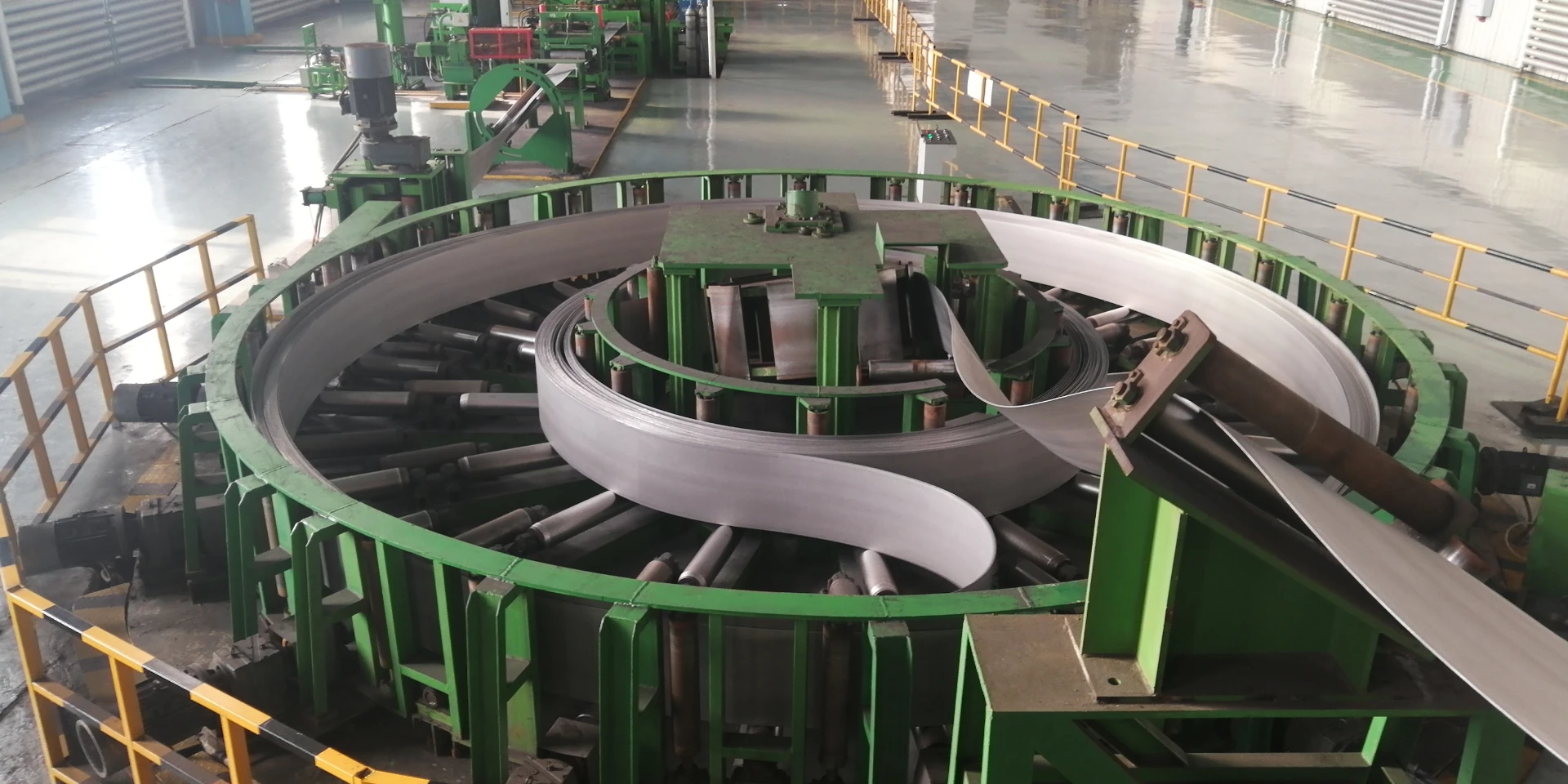 nastro di acciaio laminato a caldoHot rolled steel strip, a cornerstone of modern industrial processes, offers unparalleled versatility and reliability for a multitude of applications. Distinguished by its expert engineering, this product stands as a testament to precision, enduring quality, and manufacturing excellence. The hot rolling process, a fusion of intense heat and skilled technique, transforms steel into a high-strength


